

As we enter a new year, understanding the top disasters to prepare for in 2025 is essential for anyone focused on building resilience. With the increasing frequency of natural disasters, ongoing global instability, and rising threats to critical systems, taking proactive steps now can make all the difference in facing the challenges ahead.
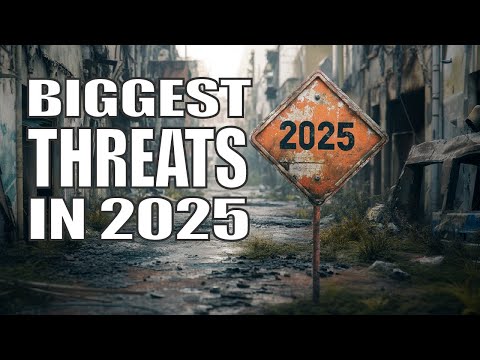
This article will guide you through the top disasters to prepare for in 2025, providing insights into their likelihood, potential impact, and practical ways to protect yourself and your loved ones. Whether you’re new to prepping or a seasoned expert, this guide will help you prioritize your efforts effectively.
While the analysis focuses primarily on risks facing the United States, many of these threats are global in nature, with lessons and strategies applicable worldwide. Understanding how these disasters can affect your community and your household is the first step in building resilience for the year ahead.
How We Identified the Top Disasters to Prepare for in 2025

Understanding the top disasters to prepare for in 2025 starts with a thoughtful analysis of trends, risks, and expert insights. Disasters don’t happen in isolation; they’re often the result of multiple factors converging, making it critical to assess their likelihood and potential impact. This section explains how these disasters were identified and why they matter to preppers.
The Role of Historical Patterns
Many of the top disasters to prepare for in 2025 are rooted in historical trends. Events like hurricanes, pandemics, and economic recessions often follow predictable cycles. For example, meteorological data shows that hurricane activity tends to spike during certain climate phases, while economic downturns can often be traced to repeating patterns in global markets. Understanding these cycles allows preppers to anticipate potential risks and prepare accordingly.
Insights from Recent Developments
The modern world is constantly evolving, and recent trends play a significant role in identifying the top disasters to prepare for in 2025. For instance:
- The spread of new zoonotic diseases, such as bird flu and hMPV, highlights the ongoing risk of pandemics.
- Rising geopolitical tensions, particularly in regions like Eastern Europe and the South China Sea, indicate potential global instability.
- Advances in technology have introduced vulnerabilities, increasing the risk of cyberattacks on critical infrastructure.
By analyzing these developments, we can better understand what to expect in the year ahead.
Expert Analysis and Global Trends of the Top Disasters to Prepare for in 2025
In compiling this list of the top disasters to prepare for in 2025, we consulted reports and data from scientists, economists, and disaster preparedness experts. Their insights into climate change, economic pressures, and technological vulnerabilities provide a comprehensive view of the risks we face.
Why This Analysis Focuses on the U.S. but Applies Globally
Although this guide is centered on the United States, many of the top disasters to prepare for in 2025 are global in nature. Events like pandemics, economic instability, and cyber threats don’t respect borders. By preparing for these challenges, individuals worldwide can benefit from the lessons and strategies outlined here.
By combining historical knowledge, recent trends, and expert insights, we’ve created a comprehensive guide to help you navigate the uncertainties of 2025.
Pandemic Resurgence: A Top Disaster to Prepare for in 2025

One of the top disasters to prepare for in 2025 is the resurgence of pandemics. While the world is still recovering from the COVID-19 pandemic, the threat of new outbreaks looms large. Emerging diseases, environmental changes, and global connectivity make pandemics a persistent and pressing risk.
Why Pandemics Remain a Significant Threat
Pandemics are caused by the rapid spread of infectious diseases across populations and borders. They often originate from zoonotic diseases, where viruses jump from animals to humans. Factors like deforestation, urbanization, and climate change increase the likelihood of these diseases emerging. Recent examples include the global spread of avian influenza (H5N1) and the surge in hMPV cases in China, both of which highlight the ongoing potential for new pandemics.
Likelihood and Impact of a Pandemic in 2025
- Likelihood: Medium to high. Experts warn that factors such as increased human-animal interaction, weakened global healthcare systems, and climate change are creating conditions ripe for future pandemics.
- Impact: The effects of a pandemic can be catastrophic, ranging from overwhelmed healthcare systems and loss of life to severe economic disruptions and social unrest.
How to Prepare for a Pandemic in 2025
Taking steps to prepare now can reduce the impact of a pandemic on your household and community. Here are some practical measures:
- Stock Essential Supplies: Build a reserve of medical supplies, including masks, gloves, hand sanitizers, and over-the-counter medications.
- Maintain Hygiene Practices: Regular handwashing, disinfecting surfaces, and avoiding close contact with sick individuals remain critical.
- Plan for Quarantines: Ensure you have enough food, water, and other essentials to last for at least two weeks in case of isolation.
- Stay Informed: Monitor updates from reliable health organizations to stay ahead of outbreaks and adjust your plans accordingly.
Lessons from Recent Outbreaks
The bird flu and hMPV cases in late 2024, and spreading as we go into 2025, serve as reminders of how quickly pandemics can escalate. These examples underline the importance of vigilance and preparedness, even when outbreaks seem distant or limited to specific regions.
Pandemics are unpredictable, but they are not impossible to prepare for. By taking proactive steps, you can protect yourself, your family, and your community from one of the top disasters to prepare for in 2025.
Economic Instability: Protecting Your Finances in 2025

Economic instability is another of the top disasters to prepare for in 2025, as global financial systems remain under pressure from inflation, geopolitical conflicts, and lingering disruptions from past crises. For preppers, economic turmoil isn’t just a headline — it’s a direct threat to their ability to access essential goods and maintain financial security.
Why Economic Instability Is a Persistent Risk
Economic instability can result from multiple factors, including:
- Inflation: Rising prices reduce purchasing power, making it harder to afford everyday essentials.
- Recessions: Economic slowdowns lead to job losses, reduced income, and strained government resources.
- Geopolitical Tensions: Trade wars, sanctions, and conflicts disrupt supply chains and increase the cost of goods.
These challenges create ripple effects that affect households, businesses, and communities, making it critical to prepare for their potential impacts.
Likelihood and Impact of Economic Instability in 2025
- Likelihood: High. Analysts predict ongoing inflation and the potential for recession in many regions, exacerbated by geopolitical tensions and energy market fluctuations.
- Impact: Economic instability affects everyone, from increased costs for food and fuel to difficulties maintaining employment or accessing credit.
How to Build Financial Resilience in 2025
Preppers can take practical steps to mitigate the effects of economic instability:
- Diversify Income Sources: Don’t rely solely on one job or income stream. Explore side hustles, freelance opportunities, or investments to create financial buffers.
- Stockpile Essentials: Purchasing non-perishable foods, hygiene products, and other necessities now can help you avoid price spikes during shortages.
- Reduce Debt: Pay down high-interest debt to free up resources and reduce financial stress.
- Save Strategically: Build an emergency fund covering 3–6 months of expenses to cushion against job loss or unexpected costs.
- Learn Practical Skills: Home repair, gardening, and basic DIY skills can help you save money and reduce dependency on external services.
Recent Trends Highlighting the Need for Preparedness
The combination of rising fuel costs, food price hikes, and housing market instability in 2024 serves as a warning for what may come. By learning from these trends and taking proactive steps, preppers can stay ahead of the curve in 2025.
Economic challenges may feel overwhelming, but with thoughtful planning and action, you can build resilience and protect your household from one of the top disasters to prepare for in 2025.
Natural Disasters: Preparing for Regional Risks in 2025

Natural disasters continue to pose a significant threat in 2025, with increasing frequency and severity driven by environmental changes. From hurricanes and wildfires to earthquakes and floods, these events can cause widespread destruction and disrupt daily life, making them a key focus for preppers.
Why Natural Disasters Are on the Rise
The number and intensity of natural disasters are increasing due to factors like climate change, urban expansion, and deforestation. Rising temperatures contribute to more severe hurricanes, while prolonged droughts heighten the risk of wildfires. Additionally, growing populations in disaster-prone areas place more people in harm’s way.
Likelihood and Impact of Natural Disasters in 2025
- Likelihood: High. Meteorologists predict another active hurricane season, while drought-stricken areas face elevated wildfire risks. Regions near fault lines remain vulnerable to earthquakes.
- Impact: The damage caused by natural disasters is often immediate and far-reaching, including destroyed infrastructure, displacement of communities, and long-term economic losses.
Preparing for Natural Disasters in Your Area
Prepping for natural disasters starts with understanding the specific risks in your region. Here are some actionable steps:
- Build an Emergency Kit: Include essentials like food, water, first-aid supplies, flashlights, batteries, and a portable phone charger. Aim for at least 72 hours’ worth of supplies.
- Create an Evacuation Plan: Identify safe routes and meeting points. Practice the plan with your family to ensure everyone knows what to do.
- Fortify Your Home: Install storm shutters, secure outdoor items, and ensure your home is structurally sound. If you live in a wildfire-prone area, clear brush and other flammable materials from around your property.
- Monitor Weather Alerts: Stay informed about severe weather warnings through reliable sources. A weather radio can be invaluable in areas where power outages are common.
Lessons from Recent Natural Disasters
The devastating wildfires in Hawaii in 2024, coupled with severe flooding across parts of the Midwest, highlight the unpredictable nature of these events. These disasters emphasize the importance of being ready for sudden emergencies, even if your area hasn’t experienced a major disaster in years.
Natural disasters are among the most immediate and visible risks preppers face, but with regional-specific planning, you can significantly reduce their impact on your household.
Geopolitical Tensions and Conflicts: Top Disasters to Prepare for in 2025

Geopolitical tensions and conflicts are rising concerns for 2025, as nations grapple with disputes over territory, resources, and power. These tensions don’t just affect governments—they have far-reaching consequences for individuals, disrupting economies, supply chains, and daily life.
Why Geopolitical Tensions Matter to Preppers
Geopolitical tensions can escalate into trade wars, sanctions, or even military conflicts, all of which can destabilize global systems. These disruptions often lead to resource shortages, economic strain, and heightened uncertainty, even for those far from the conflict zones.
Likelihood and Impact of Geopolitical Tensions in 2025
- Likelihood: Medium to high. Ongoing disputes in Eastern Europe, the South China Sea, and other hotspots remain unresolved, with the potential for escalation.
- Impact: Geopolitical conflicts can lead to:
- Supply chain disruptions, increasing the cost and reducing the availability of essential goods.
- Energy crises caused by restricted access to oil or natural gas.
- Financial instability from market reactions to global uncertainties.
How to Prepare for Geopolitical Instability
Preppers can mitigate the effects of geopolitical tensions by focusing on self-sufficiency and staying informed:
- Diversify Your Supplies: Build a stockpile of essential goods, particularly food, water, and medical supplies that might become scarce due to trade disruptions.
- Secure Alternative Energy Sources: If energy supplies are affected, having solar panels, wood-burning stoves, or other off-grid options can keep your household running.
- Monitor Global Events: Stay updated on international developments through reliable news outlets. Being aware of escalating tensions gives you time to adjust your plans.
- Maintain Financial Resilience: Inflation or market instability often accompanies geopolitical tensions. Safeguard your finances by diversifying investments and keeping some cash on hand for emergencies.
- Prepare for Civil Unrest: Geopolitical conflicts can sometimes spark protests or unrest at home. Have plans in place to ensure your safety, including secure shelter and escape routes if necessary.
Lessons from Recent Geopolitical Events
The ongoing war in Eastern Europe and rising tensions in the South China Sea illustrate how quickly geopolitical issues can affect the global economy and supply chains. These situations underline the importance of staying informed and adaptable in an interconnected world.
Geopolitical conflicts may feel distant, but their ripple effects can reach into every aspect of daily life. By taking proactive steps, you can reduce their impact on your household and protect yourself from one of the top disasters to prepare for in 2025.
Cyber Threats: Protecting Yourself from Digital Disruption in 2025

In our increasingly connected world, cyber threats pose a growing risk to individuals, businesses, and governments. As one of the top disasters to prepare for in 2025, cyberattacks can disrupt critical systems, compromise personal data, and create chaos in ways that are difficult to predict and mitigate.
Why Cyber Threats Are a Growing Concern
Cyber threats target essential infrastructure, from power grids and communication networks to financial systems and healthcare facilities. Hackers, often backed by organized crime or nation-states, use ransomware, phishing, and other methods to exploit vulnerabilities. The rising frequency and sophistication of these attacks make them a serious concern for preppers.
Likelihood and Impact of Cyber Threats in 2025
- Likelihood: High. Recent years have seen an increase in cyberattacks on critical infrastructure, exposing vulnerabilities that remain a concern for 2025.
- Impact: Cyberattacks can lead to:
- Widespread power outages.
- Financial disruptions, including frozen bank accounts or compromised digital payment systems.
- Loss of communication capabilities if networks go down.
- Supply chain interruptions affecting the availability of food, fuel, and other essentials.
How to Protect Yourself from Cyber Threats
Prepping for cyber threats requires a combination of digital security measures and practical contingency planning:
- Strengthen Digital Security:
- Use strong, unique passwords for all accounts and enable two-factor authentication.
- Regularly back up important files offline to protect against ransomware attacks.
- Update software and antivirus programs to address known vulnerabilities.
- Plan for Power and Communication Outages:
- Invest in solar panels, battery backups, or portable generators to maintain power during grid failures.
- Use GMRS radios or other communication devices that don’t rely on internet or phone networks.
- Prepare for Financial Disruptions:
- Keep some cash in small denominations on hand in case digital payment systems are compromised.
- Diversify assets to reduce reliance on any single financial institution.
- Stock Essentials:
- Build a reserve of food, water, and medical supplies to last several weeks in case supply chains are disrupted.
Lessons from Recent Cyber Incidents
High-profile ransomware attacks on companies, government agencies, and hospitals in recent years serve as stark reminders of how vulnerable modern systems are. These incidents have disrupted operations, compromised sensitive data, and, in some cases, put lives at risk.
Cyber threats may be invisible, but their impacts are very real. By securing your digital life and planning for disruptions, you can reduce the risks posed by one of the top disasters to prepare for in 2025.
Food and Water Shortages: Ensuring Essential Supplies in 2025

Food and water shortages are among the top disasters to prepare for in 2025, as global disruptions, environmental changes, and geopolitical tensions increasingly strain these essential resources. For preppers, ensuring a steady supply of food and clean water is a cornerstone of readiness.
Why Food and Water Shortages Are Becoming More Likely
Several factors contribute to the growing risk of shortages:
- Climate Change: Droughts, floods, and extreme weather disrupt agricultural production and reduce crop yields.
- Geopolitical Conflicts: Trade disruptions and sanctions can limit the availability of essential goods in global markets.
- Supply Chain Vulnerabilities: Natural disasters, pandemics, and labor shortages can all interrupt the flow of food and water to consumers.
Likelihood and Impact of Food and Water Shortages in 2025
- Likelihood: Medium to high. Ongoing drought conditions in some regions and the potential for conflict-related disruptions make shortages increasingly likely.
- Impact: Shortages can lead to:
- Rising food prices, making it harder for families to afford basic staples.
- Limited availability of certain items, leading to reliance on less nutritious or more expensive alternatives.
- Health risks from dehydration or malnutrition, particularly in vulnerable populations.
How to Prepare for Food and Water Shortages
Preppers can take proactive steps to safeguard their food and water supplies:
- Build a Stockpile:
- Focus on non-perishable items like rice, beans, pasta, canned goods, and freeze-dried meals.
- Include a variety of foods to maintain balanced nutrition.
- Store and Filter Water:
- Store at least one gallon of water per person per day, with a minimum supply for two weeks.
- Invest in reliable water filtration systems, such as the Sawyer Mini, to purify untreated water sources.
- Grow Your Own Food:
- Start a garden to cultivate vegetables, herbs, and fruits.
- Consider planting perennial crops that require less maintenance.
- Learn Preservation Techniques:
- Preserve surplus food through canning, dehydrating, or vacuum-sealing to extend shelf life.
- Monitor Local Conditions:
- Stay aware of drought warnings, crop reports, and other indicators of potential shortages in your area.
Lessons from Recent Food and Water Crises
The global supply chain disruptions of 2024, coupled with droughts in key agricultural regions, demonstrated how quickly shortages can develop. These events underline the importance of having a robust food and water strategy in place before a crisis strikes.
Food and water shortages are among the most fundamental risks preppers face, but with thoughtful planning and practical measures, you can mitigate their impact and maintain your household’s resilience in 2025.
Other Potential Disasters to Consider in 2025

While this article has focused on the top disasters to prepare for in 2025, there are other potential risks worth considering. These may not have as high a likelihood or immediate impact but still warrant attention from preppers looking to build comprehensive resilience.
Terrorism
Terrorist attacks, both domestic and international, remain a concern. While less frequent than other disasters, they can cause significant localized destruction and societal disruption. Staying aware of threats in your area and having an evacuation plan can help mitigate risks.
Nuclear Accidents
Though rare, accidents at nuclear power plants, such as the Chernobyl or Fukushima disasters, can have long-lasting environmental and health impacts. Knowing your proximity to nuclear facilities and understanding evacuation routes are critical for preparedness.
Space Weather
Solar flares or geomagnetic storms have the potential to disrupt satellites, power grids, and communication systems. These events can create cascading failures in infrastructure, particularly in technologically reliant regions.
Technological Failures
As society becomes increasingly dependent on technology, risks like widespread outages of GPS systems or failures in critical AI systems could create significant challenges. Developing low-tech alternatives and backup plans is essential.
Civil Unrest
Economic pressures, political instability, or social movements can lead to protests and riots. Preppers should have plans for personal safety, including secure shelter, alternate routes, and ways to avoid conflict zones.
By staying aware of these additional risks, you can round out your preparedness efforts and ensure you’re ready for a wide range of scenarios in 2025.
Preparing for the Top Disasters of 2025

As we move into 2025, the importance of preparedness cannot be overstated. From pandemics and economic instability to natural disasters and cyber threats, the risks we face are diverse and interconnected. By understanding the top disasters to prepare for in 2025, you can prioritize your efforts and focus on what matters most to your household’s safety and resilience.
Preparedness is not about fear, it’s about empowerment. Taking proactive steps now to secure your resources, develop skills, and stay informed will help you face the future with confidence.
If you found this article helpful, be sure to check out our additional resources, including detailed guides and checklists, on our website. Share your thoughts in the comments below: what do you think is the most significant threat in 2025, and how are you preparing for it?
Together, we can navigate the challenges ahead and build a more resilient future.
Prepper's Paradigm is a participant in the Amazon Services LLC Associates Program and other affiliate programs. This means we may earn a commission if you make a purchase through links on our site, at no extra cost to you. For more details, please see our disclosure notice.


