

What will SHTF really be like in the suburbs? Many preppers ask the question, but far fewer take the time to examine what daily life might actually look like when normal systems fail.
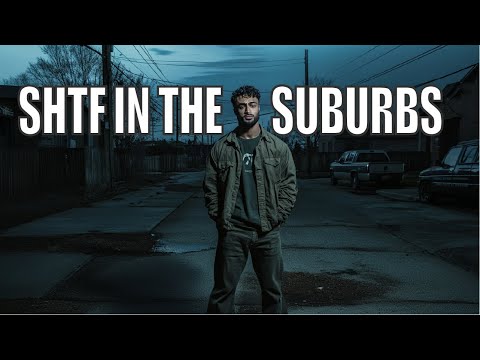
For suburban residents, the realities of societal collapse differ sharply from both urban and rural environments. Quiet streets, reliable utilities, and predictable routines create a sense of stability that disappears quickly during a serious crisis. When infrastructure breaks down, suburbs face resource shortages, social instability, and growing security risks that test both physical preparation and mental resilience.
This article explores what SHTF will really be like in the suburbs. Rather than focusing on gear lists or step-by-step instructions, it paints a realistic picture of life after collapse. From the shock of the first few days to the long-term psychological strain, this is about understanding the environment suburban preppers may find themselves navigating.

What Will SHTF Be Like in the Suburbs?
When society breaks down, the suburbs become a uniquely difficult place to survive. Suburban neighborhoods sit between dense cities and rural areas, offering convenience in normal times but serious vulnerabilities during SHTF.
In the early days, shock dominates everything. Power outages, water disruptions, and the loss of communication hit suburban areas fast. Daily life stops almost overnight. Streets fall quiet as residents gather in driveways, scan news updates on failing phones, or attempt to leave while roads remain passable.
Panic buying follows quickly. Grocery stores, gas stations, and pharmacies empty within hours. Suburban supply chains rely on constant replenishment, and once deliveries stop, shelves stay bare. Those who delayed preparing find themselves scrambling with few options.
After the initial rush comes an unsettling calm. Streets that once echoed with traffic and conversation feel abandoned. This quiet hides growing fear inside homes as residents realize there may be no clear timeline for recovery. Uncertainty settles in, and stress builds with every unanswered question.
Suburbs lack many of the advantages rural areas have during collapse. Few homes have access to natural water sources or space for food production. At the same time, suburbs remain close enough to population centers to feel pressure from outside movement. This leaves residents caught between urban chaos and rural isolation.
Understanding what SHTF will really be like in the suburbs starts with recognizing this imbalance. The first days are disorienting, uncomfortable, and mentally exhausting. Adaptability matters as much as supplies.
Social Breakdown When Order Disappears

As days turn into weeks, social order in suburban neighborhoods begins to fracture. Cooperation often appears at first. Neighbors share information, check on one another, and discuss what might happen next.
That unity rarely lasts. As supplies shrink and hope fades, trust erodes. People become guarded about what they have stored. Sounds like a generator running or lights on at night draw attention and suspicion. Friendly relationships shift into quiet observation and caution.
Without effective law enforcement, opportunistic crime increases. Homes that appear unoccupied or well supplied become targets. Informal neighborhood patrols sometimes form, but fear, exhaustion, and disagreement often undermine these efforts.
Organized groups may emerge, especially in areas with limited resistance. Suburban neighborhoods offer valuable resources without strong defenses, making them appealing targets. Control replaces cooperation, and intimidation replaces trust.
Disaster movies and books often explore this reality. Stories like [amazon link=”B0CBW83J4H” title=”The Walking Dead” /], despite the obvious fictional elements, reveal how quickly trust disappears when survival becomes the priority. [amazon link=”0399501487″ title=”Lord of the Flies” /] illustrates how fragile social norms become under pressure, even among people who once depended on each other.
For suburban residents, this shift feels deeply unsettling. These neighborhoods rely on predictability and shared expectations. When those disappear, the emotional impact rivals the physical danger.
What will SHTF really be like socially? It will demand caution, discretion, and difficult decisions about who to trust.
[amazon box=”B0CBW83J4H” title=”The Walking Dead”]
- Shows rapid social collapse and loss of trust
- Highlights constant security threats and moral choices
- Explores survival psychology after systems fail
- Also available to watch on Amazon Prime
[/amazon]
[amazon box=”0399501487″ title=”Lord of the Flies”]
- Shows how quickly order breaks down
- Explores fear, power, and group violence
- Highlights fragile nature of social norms
[/amazon]
Resource Scarcity in the Suburbs
Resource scarcity defines life after collapse, and suburban areas feel it fast. Food, fuel, water, and medicine vanish quickly once supply chains stop.
Panic buying empties stores within hours. Restocking does not happen. Suburbs lack local production, leaving residents dependent on what they already have. Those without reserves face immediate hardship.
Bartering replaces money. Items once taken for granted become valuable. Clean water, batteries, medical supplies, hygiene products, and fuel become currency. Trading requires caution. Revealing what you have can make you a target.
Water access becomes a serious concern. Municipal systems may fail or become unreliable. Stored water runs out quickly without strict management. Rain collection, filtration, and treatment become essential skills, not conveniences.
Scarcity creates constant psychological pressure. Parents worry about feeding children. Families argue over rationing. Every decision carries weight. Stress becomes a daily companion.
Disaster stories often reflect this reality. [amazon link=”B09B44BLHH” title=”The Road” /] shows how scarcity strips life down to its most basic needs and tests moral boundaries. [amazon link=”B00CDDHI5W” title=”Mad Max” /] exaggerates the struggle, but the underlying truth remains. Resources shape power and survival.
Understanding what SHTF will really be like in terms of scarcity means accepting that abundance disappears quickly. Survival depends on discipline, adaptability, and restraint.
[amazon box=”B09B44BLHH” title=”The Road”]
- Shows psychological toll of long-term collapse
- Highlights extreme food and resource scarcity
- Explores moral choices under survival pressure
[/amazon]
[amazon box=”B00CDDHI5W” title=”Mad Max”]
- Extreme resource scarcity drives violence and power
- Fuel and water become survival currency
- Shows consequences of total societal collapse
[/amazon]
Security Threats in Suburban Neighborhoods
Suburban homes were built for comfort, not defense. During SHTF, that design becomes a liability.
Large windows, open yards, and multiple entry points make houses vulnerable. Signs of activity draw attention. Light, sound, and smells all signal opportunity to desperate people.
Isolated theft gives way to more organized threats as conditions worsen. Groups seeking control recognize suburbs as resource-rich and lightly defended. Without consistent law enforcement, residents must rely on their own awareness and planning.
Some neighborhoods attempt collective defense, but fear and distrust often weaken these efforts. Fragmentation creates gaps that outsiders exploit.
For individual households, security becomes a constant concern. Homes shift from places of rest to spaces of vigilance. Sleep becomes lighter. Stress increases as every unfamiliar noise triggers concern.
Disaster movies highlight this transformation. [amazon link=”B00USBLXVG” title=”Red Dawn” /] shows how quickly suburban settings become contested ground. [amazon link=”B0B9TP32HB” title=”The Purge” /] exaggerates lawlessness, but it reflects how thin social restraints can become.
What will SHTF really be like in the suburbs from a security perspective? It will demand awareness, discretion, and a low profile. Visibility can be dangerous.
[amazon box=”B00USBLXVG” title=”Red Dawn”]
- Shows suburban areas becoming conflict zones
- Highlights importance of defending home territory
- Explores survival under occupation and chaos
[/amazon]
[amazon box=”B0B9TP32HB” title=”The Purge”]
- Explores lawlessness when enforcement disappears
- Shows rapid breakdown of personal security
- Highlights dangers of unchecked violence
[/amazon]
The Psychological Toll of SHTF
Physical survival is only part of the challenge. The psychological toll of SHTF in the suburbs is heavy and often underestimated.
Silence replaces everyday noise. Familiar routines vanish. Isolation grows even among neighbors. Fear limits interaction, leaving many to cope alone.
Families feel the strain acutely. Parents carry the burden of protecting children while managing their own fear. Explaining the situation without overwhelming younger family members becomes difficult.
Constant vigilance leads to exhaustion. Sleep suffers. Stress weakens the body and mind. Without medical support, even minor health issues feel threatening.
Scarcity adds emotional weight. Watching supplies dwindle forces hard decisions. Saying no to others or rationing essentials strains relationships and morale.
Stories like [amazon link=”0804172447″ title=”Station Eleven” /] explore this emotional landscape, showing how loss and uncertainty reshape people. [amazon link=”B09B44BLHH” title=”The Road” /] emphasizes endurance when hope feels distant.
So what will SHTF really be like mentally? It will test resilience, adaptability, and emotional control. Small routines, connection with loved ones, and focusing on achievable goals help maintain stability.
Preparation includes mindset. Those who adapt mentally fare better than those who cling to the past.
[amazon box=”0804172447″ title=”Station 11″]
- Explores long-term survival after pandemic collapse
- Highlights isolation and rebuilding social connections
- Focuses on psychological resilience over time
[/amazon]
[amazon box=”B09B44BLHH” title=”The Road”]
- Shows psychological toll of long-term collapse
- Highlights extreme food and resource scarcity
- Explores moral choices under survival pressure
[/amazon]
Lessons From Disaster Movies and Books
Disaster movies and books provide useful perspectives on collapse. While dramatized, they reflect real human responses to fear, scarcity, and instability.
[amazon link=”B097WP88DJ” title=”One Second After” /] portrays suburban collapse after an EMP, highlighting how quickly infrastructure failure reshapes daily life. It emphasizes preparedness, leadership, and the cost of unpreparedness.
[amazon link=”B09B44BLHH” title=”The Road” /] focuses on emotional endurance amid scarcity. Its lessons apply to suburban environments where trust becomes rare and danger unpredictable.
[amazon link=”B00CDDHI5W” title=”Mad Max” /] exaggerates collapse, but its core message remains relevant. Control of resources defines power.
[amazon link=”0804172447″ title=”Station Eleven” /] focuses on loss and adaptation, showing that survival includes emotional reconstruction, not just physical endurance.
Even exaggerated portrayals offer insight. They show how fast life changes and how fragile normalcy really is.
For suburban preppers, these stories help frame realistic expectations. They encourage critical thinking rather than fantasy.

Understanding What SHTF Will Really Be Like in the Suburbs
So what will SHTF really be like in the suburbs? It will be uncomfortable, uncertain, and mentally demanding.
Suburban life depends on fragile systems. When those fail, shortages, security concerns, and social breakdown reshape daily existence. Neighbors may become competitors. Homes require discretion. Mental resilience becomes as important as physical preparation.
Understanding these realities is not about fear. It is about clarity. By recognizing vulnerabilities and learning from real-world patterns and disaster stories, suburban preppers can prepare more effectively.
SHTF in the suburbs is not just about supplies. It is about adapting to a new reality, managing stress, and staying flexible when normal life disappears.
The real question is not only what will SHTF be like, but how you will respond when it arrives.
Prepper's Paradigm is a participant in the Amazon Services LLC Associates Program and other affiliate programs. This means we may earn a commission if you make a purchase through links on our site, at no extra cost to you. For more details, please see our disclosure notice.


