

In times of crisis, having a reliable plan for evacuating or bugging out can be the difference between safety and peril. One of the most critical aspects of any bug out plan is transportation. Whether you’re fleeing an urban disaster, heading to a remote retreat, or escaping a natural disaster, the ability to move efficiently and safely is paramount.
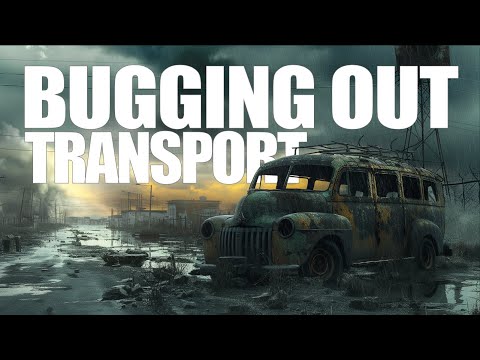
Selecting the right mode of transport for bugging out isn’t just about speed; it’s about the ability to navigate various terrains, carry essential supplies, and adapt to unpredictable conditions. From traveling on foot to using a bicycle, car, or even a boat, each option offers distinct advantages and challenges. The key is to choose the best transportation method based on your environment, the nature of the emergency, and your personal preparedness plan.
This guide will walk you through the top bug out transportation options, providing insight into their pros and cons, so you can make an informed decision that ensures your safety and efficiency in a crisis.
Understanding Bug Out Transportation

Choosing the right transportation for bugging out is a critical decision that will impact your ability to reach safety and security. In an emergency, the speed, efficiency, and reliability of your transportation can mean the difference between a successful evacuation and becoming trapped in a dangerous situation.
When considering bug out transportation, it’s important to think about more than just convenience. The ideal mode of transport depends on several factors, such as the terrain, distance to your destination, the type of disaster, and the availability of resources like fuel. While some forms of transportation offer speed and flexibility, others provide added protection or capacity to carry supplies.
Each option has its strengths and weaknesses, and often, a combination of different transportation methods is necessary. The key is to plan ahead, understand the environment you might encounter, and be ready to adapt to ever-changing conditions. Having a well-rounded strategy can give you the best chance of staying safe and getting to your destination efficiently, no matter what challenges arise.
Bugging Out on Foot
When it comes to bugging out, one of the most straightforward options is traveling on foot. While it may not be the fastest or most comfortable mode of transport, walking offers a unique set of advantages that can make it the right choice in certain situations.

Advantages of Traveling on Foot
One of the primary benefits of traveling on foot is its simplicity and independence. Walking requires no fuel, is relatively inexpensive, and gives you the ability to move through environments that other modes of transport might not be able to access. On foot, you can easily navigate dense forests, narrow paths, and urban streets that are blocked to vehicles. For preppers looking to avoid detection, walking is also the most discreet option, allowing you to stay under the radar and move quietly through both rural and urban landscapes.
Additionally, when the roads are impassable or heavily congested, walking gives you the flexibility to find alternate routes that are inaccessible to cars, bikes, or larger vehicles. As long as you have the proper gear and are physically prepared, you can travel across a variety of terrains, from hills to forests, that may offer safer paths than conventional roads.
Disadvantages of Bugging Out on Foot
Despite its many advantages, traveling on foot comes with significant drawbacks. The most obvious disadvantage is its limited speed and range. While walking allows for flexibility, it also means you will have to cover distances slowly, which can be exhausting over long periods of time. If you’re facing an urgent evacuation or need to escape a rapidly developing disaster, traveling on foot may not be fast enough.
Another limitation is physical strain. Bugging out on foot requires stamina and physical endurance, and carrying supplies over long distances can quickly become tiring. If you’re unable to maintain the pace or struggle with exhaustion, it could put your safety at risk. Additionally, if you’re injured or sick, moving on foot may become even more challenging.
Finally, traveling on foot offers little protection from the elements. Unlike vehicles or even bicycles, you won’t have the shelter of a roof or walls to protect you from rain, heat, or cold. This lack of shelter could leave you vulnerable to the weather, particularly if you’re traveling through harsh or extreme conditions.
In summary, while bugging out on foot offers independence, stealth, and access to hard-to-reach areas, it is best suited for short to medium distances or situations where other forms of transport aren’t available. Planning for the physical demands and challenges of walking can help make this option more viable in your overall bug out strategy.
Bicycle as Bug Out Transportation
When considering bug out transportation, bicycles stand out as a practical and versatile option. For preppers looking for a balance between speed, efficiency, and portability, bicycles offer a unique advantage. Although not as common as motorized vehicles, they can be an invaluable tool in certain emergency situations.

Advantages of Using a Bicycle for Bugging Out
Bicycles provide a significant advantage in terms of speed and distance coverage when compared to traveling on foot. In scenarios where time is critical, a bicycle allows you to move faster, covering more ground without exhausting yourself as quickly. This makes bicycles a great option for medium-distance travel, especially in areas where roads are clear but vehicles are stuck in traffic.
Another key advantage of using a bicycle is its low cost and minimal maintenance. Unlike cars or motorbikes, bicycles require little in terms of fuel and can often be repaired with basic tools, making them a more sustainable option. Additionally, bicycles are environmentally friendly, as they don’t rely on gas or fuel and are less affected by fuel shortages.
Bicycles are also highly maneuverable, giving you the ability to navigate through crowded urban streets, narrow pathways, or trails that may be impassable for larger vehicles. They’re lightweight and can be easily parked or left behind in more remote areas, giving you the flexibility to explore off-grid locations. Furthermore, bikes can carry a limited amount of gear, such as backpacks or saddlebags, which allows you to pack essential supplies without being overly burdened.
Disadvantages of Using a Bicycle
While bicycles offer clear advantages, they do come with their own set of limitations. The primary downside is their limited carrying capacity. Unlike cars or trucks, bicycles have limited storage space, which means you’ll need to prioritize what you bring along. This can be a major consideration if you need to carry significant survival gear, food, or medical supplies.
Additionally, bicycles are vulnerable to mechanical breakdowns, and in a crisis, spare parts or tools for repairs may not be readily available. Punctures, chain issues, or brake malfunctions can leave you stranded, and if you’re not well-versed in bike maintenance, this could be a serious challenge.
Another limitation is the vulnerability of cyclists in hazardous environments. While a car or RV offers protection from the elements and potential threats, a bicycle leaves you exposed to weather conditions and possible accidents. Riding in rough terrain or on unfamiliar roads can increase the risk of injury, and navigating through urban environments during a crisis can be dangerous with vehicles, pedestrians, and other hazards.
In summary, bicycles are an excellent choice for preppers looking for a balance between speed, portability, and low maintenance. They are ideal for traveling shorter to medium distances, especially when avoiding traffic or reaching areas that might be inaccessible by car. However, it’s important to be prepared for potential mechanical issues and understand the limitations of carrying capacity when incorporating bicycles into your bug out plan.
Four-Wheel Drive Vehicles: Access to Remote Areas
For those who need to cover long distances quickly and efficiently while carrying substantial supplies, a four-wheel drive (4WD) vehicle is often the best choice for bugging out. These vehicles are designed to handle rough terrains and unpredictable conditions, making them ideal for a wide range of emergencies.

Advantages of Four-Wheel Drive Vehicles as Bug Out Transportation
One of the key advantages of using a 4WD vehicle for bugging out is its ability to navigate difficult and off-road terrain. Whether you’re driving through muddy paths, snow-covered roads, or rocky hills, a 4WD vehicle offers traction and stability that allows you to travel areas that regular vehicles can’t reach. This makes 4WDs perfect for accessing remote locations, whether you’re headed to a bug out location in the wilderness or trying to avoid dangerous urban environments.
In addition to their off-road capabilities, four-wheel drive vehicles offer speed and efficiency over long distances. Unlike bicycles or on-foot travel, a 4WD vehicle allows you to cover large areas in a short amount of time, which can be crucial when evacuating from a fast-moving disaster. For longer trips, especially when fuel supplies are accessible, this mode of transportation is an effective and comfortable choice.
4WD vehicles also provide ample space for supplies, making them ideal for carrying the essentials needed during a bug out scenario. You can store food, water, medical kits, weapons, camping gear, and other survival equipment without the weight or space limitations of bicycles or walking. The ability to store more in your vehicle ensures that you’ll be prepared for extended periods of survival.
Disadvantages of Four-Wheel Drive Vehicles
Despite their many advantages, four-wheel drive vehicles also have notable disadvantages. The most significant drawback is their high fuel consumption. Traveling off-road and over long distances can quickly deplete your fuel reserves, especially if you are not able to refuel at stations along your route. Fuel shortages during a crisis could leave you stranded, making it critical to plan for the long-term availability of fuel or consider alternative refueling options.
Another disadvantage is the size and weight of 4WD vehicles. While they provide ample storage, their bulkiness can limit access to narrow or heavily populated areas. In urban settings where traffic congestion is common, maneuvering a large vehicle can be time-consuming and stressful. Furthermore, roads could be blocked or impassable due to fallen debris, accidents, or other obstructions, leaving you stuck if you’re unable to access alternate routes.
4WD vehicles also rely heavily on infrastructure. While off-road capabilities allow for some flexibility, you’ll still need proper road conditions for efficient travel. If your destination is completely cut off or the route becomes dangerous, your 4WD vehicle may not be able to continue further, leaving you with no option but to abandon it.
In conclusion, a four-wheel drive vehicle is an excellent choice for those who need to cover long distances, carry heavy supplies, and access difficult-to-reach areas. It’s ideal for traveling through rural or off-grid locations, but it requires careful planning regarding fuel, storage, and route accessibility. If used in conjunction with other transportation methods, a 4WD vehicle can play an integral role in your bug out plan.
Motorbikes: Agility and Quick Movement
When it comes to bugging out, speed and maneuverability are key, and a motorbike offers both in abundance. Lightweight, fast, and able to navigate through traffic and narrow paths, motorbikes can be an excellent option for those who need to get out quickly and efficiently.

Advantages of Motorbikes for Bugging Out
One of the biggest advantages of using a motorbike for bug out transportation is its speed and agility. Motorbikes allow you to navigate through dense traffic and narrow roads that would otherwise be impassable for larger vehicles. This makes them particularly useful in urban environments or heavily congested areas, where cars or trucks might be stuck for hours in gridlock. With a motorbike, you can bypass these blockages and reach your destination much faster.
Another benefit of motorbikes is their fuel efficiency. Compared to cars or trucks, motorbikes consume far less fuel, making them an attractive option for preppers who want to conserve resources or avoid running out of gas. A well-maintained motorbike can cover long distances on a small amount of fuel, and its relatively low operating costs make it an economical choice in the long run.
Motorbikes are also small and lightweight, making them easy to store and transport. They can be parked in tight spaces, easily carried in a trailer, or hidden in areas where larger vehicles can’t go. This compact size allows for greater flexibility and mobility, especially in situations where other forms of transport would be blocked or too large to navigate.
Disadvantages of Motorbikes
While motorbikes offer many advantages, they also come with a set of drawbacks. One of the most significant disadvantages is the limited storage capacity. Unlike cars or RVs, motorbikes have very little space to carry essential gear. While saddlebags and backpacks can help, the overall amount of supplies you can bring along will be much less than with other transport options. This makes motorbikes better suited for short trips or when you don’t need to carry a large amount of survival gear.
Another downside is the exposure to the elements. Riding a motorbike leaves you vulnerable to weather conditions like rain, extreme heat, or cold temperatures. Unlike cars, which provide shelter, a motorbike offers no protection from the elements, leaving riders exposed and at risk of weather-related issues, such as hypothermia in cold conditions or heat exhaustion in the summer months. In addition, riding in inclement weather can increase the risk of accidents, making it a less reliable option for long-distance travel in certain environments.
Motorbikes are also more dangerous than other modes of transport. While they offer greater agility, this comes at the expense of stability. In an emergency, navigating through hazardous areas can be risky, especially if you’re unfamiliar with the terrain. A fall or crash on a motorbike can result in serious injury, which can be particularly dangerous if medical help is not readily available.
Finally, motorbikes are more vulnerable to mechanical breakdowns. A flat tire, engine trouble, or other mechanical issues can leave you stranded in a crisis, and repairing a motorbike can be more complicated than fixing a car or truck. Without the proper tools or skills, a breakdown could leave you vulnerable in a survival situation.
In conclusion, motorbikes are an excellent choice as bug out transportation for those who need to move quickly and efficiently through urban areas or difficult terrain. They offer speed, agility, and fuel efficiency, making them an ideal option for short to medium distances. However, the lack of storage space, exposure to the elements, and potential safety risks make them a less practical option for longer journeys or when you need to carry significant survival gear. Like any mode of transport, they should be considered as part of a comprehensive bug out plan.
RVs: A Home on the Go
When it comes to extended bug out scenarios, where comfort, security, and self-sufficiency are key, an RV (Recreational Vehicle) offers distinct advantages. Combining the mobility of a vehicle with the amenities of a home, RVs can be a game-changer when preparing for long-term survival or evacuations.

Advantages of Using an RV as Bug Out Transportation
The most significant advantage of an RV is the comfort and security it provides. Unlike other forms of transport, an RV gives you a mobile home, complete with shelter, food storage, water, and sanitation — all essential components when you’re on the move for extended periods. With the ability to carry a larger stock of supplies, RVs make it easier to prepare for long-term survival, reducing your reliance on external resources during a crisis.
RVs are also spacious, allowing you to bring along more equipment, gear, and even pets, making them an ideal option for families or groups. The storage capacity of an RV is far greater than that of bicycles, motorbikes, or even four-wheel drive vehicles, enabling you to carry all of your essential supplies without the constraints of space. This means you can stock up on food, medical supplies, tools, and other important items, ensuring that you’re well-prepared for a range of emergency situations.
Additionally, the ability to camp off-grid is another advantage of RVs. Many modern RVs are equipped with solar panels, generators, and water filtration systems, allowing you to live independently in remote locations for extended periods. This off-grid capability means you can travel far from civilization, knowing that you have the resources to survive.
Disadvantages of RVs for Bugging Out
Despite their numerous advantages, RVs do come with a set of drawbacks that need to be carefully considered. One of the most significant disadvantages is their size. While larger vehicles offer ample space, they can be cumbersome and difficult to maneuver in tight areas. In urban environments, navigating through narrow streets or avoiding traffic jams can be a significant challenge. RVs also require larger parking spaces, which could be hard to find in emergency situations.
Another limitation of RVs as bug out transportation is fuel consumption. Unlike smaller vehicles, RVs are typically gas-guzzlers, which means they can quickly deplete your fuel supply, especially on long-distance journeys. In times of fuel shortages or if you’re unable to refuel, an RV may not be a viable option for travel. Furthermore, larger vehicles are also subject to higher maintenance costs, which may become a burden in a crisis when spare parts or service centers may not be readily available.
RVs are also dependent on infrastructure. While they can be self-sustaining for a time, they still rely on roads for travel, and in the event of roadblocks, damaged infrastructure, or heavy traffic, RVs may not be able to proceed as planned. Depending on the situation, a breakdown or obstruction could leave you stranded, forcing you to find alternative transportation.
Finally, RVs can be less stealthy than other modes of transport. In a crisis, the conspicuous size and visible nature of an RV could make you a target for looters or hostile groups, especially in urban or populated areas. Their visibility might compromise your position if you’re attempting to stay under the radar in a hostile environment.
In conclusion, RVs are an excellent option for long-distance, off-grid bugging out, providing comfort, storage, and self-sufficiency. However, their size, fuel consumption, and dependence on infrastructure can pose challenges in certain situations. For those planning for long-term survival or evacuation, an RV can be an invaluable part of a comprehensive bug out strategy, but it should be used in combination with other, more flexible transportation options.
Water Transport: Boats and Canoes for Off-Grid Escapes
When roads are impassable and the land becomes too dangerous to navigate, water can offer a unique escape route. Whether you’re traveling by canoe, kayak, or motorized boat, water transport can be an invaluable option in certain bug out situations. Using waterways allows you to bypass roadblocks, access remote locations, and travel quietly, making boats and canoes strong contenders in an emergency escape plan.

Advantages of Boats as Bug Out Transportation
One of the primary advantages of using a boat or canoe for bug out transportation is the ability to navigate waterways, which can provide access to areas that might otherwise be unreachable by land. Rivers, lakes, and even coastal waters offer alternative routes to safety, especially in areas where the road networks may be clogged or destroyed during a crisis. With waterways being less likely to be congested or blocked by traffic, using a boat allows you to avoid gridlock or roadblocks that would otherwise slow down evacuation.
Boats and canoes also provide a degree of stealth. Unlike motorized vehicles that can be heard from miles away, boats can quietly glide through the water, making them a good choice when trying to avoid detection. In scenarios where discretion is critical, such as escaping from a hostile situation or avoiding law enforcement, water transport offers a low-profile alternative to other methods of travel.
Additionally, watercraft offer a degree of safety that can be hard to replicate on land. For example, if a boat is equipped with the proper safety features, it can protect you from the elements and potentially dangerous encounters on land. Some boats and canoes even come with the ability to carry larger loads than a bicycle or motorbike, providing a secure means of transporting supplies over longer distances.
Disadvantages of Water Transport
While boats and canoes can offer significant advantages in specific scenarios, there are also notable limitations to consider. One of the main challenges is that they are confined to waterways. Unlike land-based transportation, you can’t simply choose any route or detour if you encounter obstacles. If the waterway becomes obstructed or shallow, your progress could be halted, and you may find yourself stranded.
Another limitation is the need for proper weather conditions. Watercraft, particularly canoes and smaller boats, can be highly affected by weather, with rough seas or strong winds making navigation dangerous or even impossible. This is particularly important if you’re attempting to navigate large bodies of water, where unpredictable weather patterns could pose serious risks.
Moreover, depending on the location, access to boats may be limited. While a canoe or kayak can be relatively easy to store and deploy, larger motorized boats require more resources, including fuel and maintenance. In the event of a fuel shortage or mechanical failure, your boat could become inoperable, leaving you stranded with few options. The need for specific skills and knowledge, such as understanding navigation, tides, and water safety, further limits the feasibility of water transport for many preppers.
Finally, watercraft often offer limited storage space. While boats can carry more gear than a bicycle or motorbike, they still have constraints when compared to vehicles like RVs or four-wheel drives. Packing for long-term survival may require careful consideration of what to bring, as there may not be room for everything you might need.
In conclusion, water transport can be a highly effective option for bugging out, especially if you need to travel through areas with limited road access. Whether using a canoe, kayak, or motorized boat, waterways offer a unique advantage in escaping from congested or dangerous areas. However, weather conditions, accessibility, and the need for specialized knowledge and equipment should be carefully considered before relying on boats or canoes in your bug out plan.
Public Transport: Alternative Bug Out Transportation in Urban Areas
While personal vehicles and off-grid options like bicycles and boats are often the first choices for bug out transportation, public transport can also serve as an effective option, especially in urban environments. In situations where roads are blocked or your personal vehicle is unavailable, public transport might provide the quickest, most accessible means of escape.

Advantages of Public Transport
One of the main advantages of public transport during a bug out scenario is its accessibility. In major cities, buses, subways, and trains often have extensive networks that cover large areas, allowing you to travel long distances quickly without relying on fuel or personal vehicles. This can be particularly valuable in an emergency situation where gas stations may be out of service or fuel is scarce.
Public transport also offers the potential for avoiding roadblocks and traffic jams. Unlike personal vehicles, which may get stuck in gridlock or blocked roads, trains and subways can operate underground or on tracks that are unaffected by surface-level disruptions. In a large city during a crisis, public transport can provide a direct route to safer areas, bypassing the congestion on roads and highways.
Another benefit of public transport is its cost-effectiveness. Public transport networks are typically much more affordable than operating a personal vehicle, and they can often be used for longer distances without the same financial burden. In the event that resources are limited or you’re trying to conserve supplies, public transport may be a budget-friendly option that still gets you to your destination safely.
Disadvantages of Public Transport
Despite its potential benefits, there are several key disadvantages to relying on public transport for bugging out. The most significant challenge is the lack of flexibility. Public transport operates on fixed schedules and routes, meaning you may be forced to wait for a train or bus to arrive, which could delay your escape during critical moments. If there’s no direct route to your destination or your intended route is disrupted, you may find yourself delayed or rerouted.
Another disadvantage is the potential for overcrowding. During times of crisis, public transport systems could quickly become overwhelmed with people trying to evacuate or find safety. This can lead to overcrowded trains, buses, and stations, making it difficult to board or travel comfortably. In some situations, public transport could even be dangerous, as large crowds may lead to panic or looting.
In addition, public transport does not offer the same level of security as personal transport. While you might feel safer in your own vehicle, public transport exposes you to the risks of interacting with strangers, some of whom may be acting unpredictably during a crisis. Vulnerability to theft, violence, or even assault is a potential risk in crowded or poorly policed areas.
Finally, public transport relies heavily on infrastructure, which may not be functioning in a disaster. If power is out or the transit system is damaged or sabotaged, it could leave you stranded with no way to reach your destination. In such cases, you may need to have a backup plan in place.
In conclusion, while public transport offers an accessible and cost-effective way to bug out, it is not without its risks and limitations. It’s an ideal option for evacuating urban areas when roads are impassable or when personal vehicles are not available, but it should be considered as part of a broader, flexible evacuation strategy. Preppers should plan ahead, know the local routes, and always have a backup mode of transport in case public systems become overwhelmed or unavailable.
Horseback: A Time-Tested Option for Bug Out Transportation
In a world dominated by modern technology and vehicles, horseback riding may seem like an outdated form of transportation. However, horses still offer unique benefits that make them an invaluable option for certain bug out situations. For preppers looking to escape into remote locations or travel across tough terrain, horses can be an essential part of a comprehensive bug out plan.

Advantages of Using Horses for Bug Out Transportation
One of the primary advantages of horseback transport is its ability to traverse difficult terrain that other vehicles or methods might struggle with. Horses can navigate through forests, rocky paths, and even cross shallow rivers with ease. Their surefootedness and agility in rugged landscapes give them a distinct advantage in areas that are off-limits to cars, bikes, and even RVs.
Horses also offer a degree of self-sufficiency and independence. Unlike motorized vehicles, they don’t require fuel, and they can travel without relying on external infrastructure. In a situation where fuel is scarce or unavailable, horses could provide a reliable and sustainable form of transportation. Additionally, horses can carry a fair amount of weight—whether it’s gear, supplies, or even a rider with additional equipment in saddlebags. This makes them highly capable of handling long-distance travel, provided they are properly cared for.
Another key benefit of horses is their ability to be used for other purposes beyond transportation. Horses can help with hunting, carrying heavy loads, or even provide milk and other resources in survival scenarios. They are an all-around asset to a prepper’s toolkit.
Disadvantages of Using Horses for Bugging Out
Despite their advantages, using horses for bugging out comes with some significant challenges. One of the main drawbacks is the reliance on the horse’s health and stamina. While a vehicle can keep going for hundreds of miles on fuel, a horse has physical limits and requires food, water, and rest along the way. The health and well-being of your horse need to be regularly monitored, especially during long trips.
Another limitation is the need for proper knowledge and experience in handling horses. Horses are not for everyone; they require specific care and training to ensure that they are ready for a bug out situation. If you’re not familiar with equestrian care, riding, or horse handling, you could run into serious problems when you need your horse to perform. Moreover, horses are vulnerable to the same threats as humans in a disaster scenario: weather conditions, predators, and even injury.
Lastly, horses can be noisy and may attract unwanted attention in a crisis situation. Their hoofbeats can be heard from a distance, and they may be easily spooked by unfamiliar noises, which could compromise your stealth in an evacuation scenario. While not as loud as vehicles, a horse’s presence is still noticeable, and in a tense or dangerous environment, that may be a risk.
Horses can provide an invaluable form of transportation, especially for preppers who are well-prepared to care for them and understand the logistics of horse travel. They excel in rugged terrains, can carry supplies, and offer a degree of independence from modern infrastructure. However, the physical demands on both the horse and rider, the need for regular maintenance and care, and the potential for attention in certain environments must all be carefully considered. If you’re able to incorporate horses into your bug out plan, they can be a powerful tool for long-term survival — but they require substantial preparation and commitment.
Choosing the Right Bug Out Transportation for Your Situation
Selecting the best mode of transportation for your bug out plan requires a careful assessment of multiple factors, including the environment, distance, and type of emergency. Each transportation method offers distinct advantages and challenges, and the ideal choice will depend on your specific situation.

Factors to Consider
- Location and Terrain
The environment plays a critical role in determining the most effective bug out transportation. If you live in a rural or wilderness area, a horse might be your best option for accessing difficult terrain and avoiding heavily trafficked routes. For urban dwellers, public transport, bicycles, or even motorbikes might be more effective, especially when navigating crowded streets or getting around roadblocks. - Distance to Travel
Shorter journeys can often be handled on foot or by bicycle, especially if you need to remain discreet or avoid main roads. For longer distances, a four-wheel drive vehicle, motorbike, or RV might be necessary for faster travel. Horses are a solid middle ground—offering speed and efficiency, particularly over rough terrain—but they still have limits when it comes to long-distance travel without proper care. - Type of Emergency
Different disasters call for different approaches. In natural disasters like floods or wildfires, motorized transport like trucks, RVs, or boats may be required to navigate blocked roads or flooded areas. On the other hand, civil unrest or societal collapse might make quieter, more inconspicuous transportation like horses, bicycles, or walking a safer choice. Public transport could be effective in a temporary emergency, but is less reliable in a long-term survival situation. - Resources Available
Consider the resources you have at hand. For instance, a four-wheel drive vehicle is a great option, but it relies on fuel, which might not be readily available during a crisis. Similarly, motorbikes, boats, and even bicycles all require maintenance and may need spare parts, especially if you’re depending on them for long-term travel. Horses, though they require food, water, and care, do not rely on fuel or infrastructure, making them an appealing option for certain scenarios. - Backup Plans
Having a backup mode of transport is vital in a bug out plan. If your primary method, such as a four-wheel drive vehicle or RV, becomes unusable or encounters obstacles, being able to switch to an alternative like a bicycle, motorbike, or even a horse can ensure that you still have a way to move. Always consider multiple routes and methods of transport so you’re not caught unprepared if things don’t go according to plan.

Preparation is Key
Regardless of your chosen transportation method, preparation is essential. Regular maintenance of vehicles, practicing with bicycles or motorbikes, and learning equestrian skills if you plan to use horses will all ensure that you’re capable of effectively using your chosen mode of transport during an emergency.
Ultimately, the best bug out transportation plan will be a mix of options, each suited to different circumstances. Flexibility and foresight are critical to ensuring that you can move efficiently and safely, no matter what challenges come your way.
Final Thoughts on Bug Out Transportation
When it comes to preparing for a bug out situation, transportation is one of the most important factors to consider. Your ability to move efficiently and quickly could determine whether you make it to safety or find yourself stranded in a dangerous situation. The transportation options available to you — whether it’s on foot, by bicycle, motorbike, four-wheel drive, RV, horse, or boat — each come with their own unique set of advantages and limitations.

Ultimately, there is no single “best” choice. Instead, the most effective bug out strategy will incorporate a mix of transportation methods, each tailored to your specific environment, the type of emergency, and the distance you need to travel. In an ideal scenario, your transportation plan should be flexible enough to adapt to changes in conditions, whether that’s a fuel shortage, blocked roads, or the need to switch from urban routes to off-road trails.
One key takeaway is the importance of preparation. Whatever transportation method(s) you choose, ensure that you have tested them, understand their limitations, and have a well-thought-out contingency plan. Regular maintenance, spare parts, and necessary supplies for each mode of transport are all crucial to ensuring that your plan remains viable when the time comes.
It’s also essential to keep in mind that your survival and success in a bug out scenario aren’t just determined by the vehicle or mode of transport you use. The ability to stay calm, think critically, and adapt to the unexpected is just as important as having the right tools.
By carefully considering your needs, practicing your bug out methods, and being prepared for any situation, you’ll have a greater chance of successfully evacuating and staying safe, no matter what emergency arises.
Prepper's Paradigm is a participant in the Amazon Services LLC Associates Program and other affiliate programs. This means we may earn a commission if you make a purchase through links on our site, at no extra cost to you. For more details, please see our disclosure notice.


