

In an increasingly unpredictable world, ensuring self-sufficiency and food security has become more important than ever. While many individuals turn to home gardening to support their needs, traditional gardens come with a potential drawback: they’re highly visible. In times of crisis, this visibility can make them a target for unwanted attention. That’s where the concept of stealth gardening comes into play.
You can also watch our video on stealth gardening from the Prepper’s Paradigm YouTube channel, or continue to the article below.
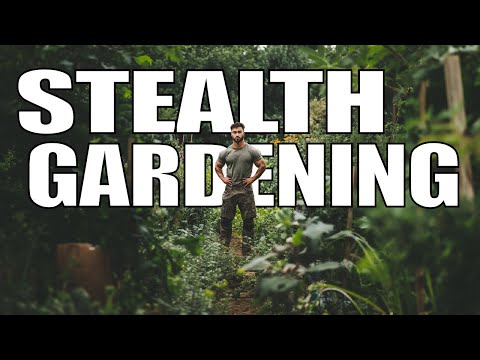
Stealth gardening is a method of cultivating food that blends seamlessly with its surroundings, allowing gardeners to maintain a private and secure food supply. By carefully choosing the right plants, strategic placements, and adopting techniques that minimize attention, individuals can grow food discreetly and effectively. This approach not only keeps your resources protected but also ensures that your garden remains sustainable and low-maintenance.
This article explores the practical strategies behind stealth gardening, offering insights into how to create a productive garden that looks like a natural part of the landscape. Whether you’re looking to start a hidden garden at home or incorporate guerrilla gardening methods in wild areas, this guide will provide you with the knowledge needed to build a secure, camouflaged source of food.
The Concept of Stealth Gardening
Stealth gardening is more than just a clever term; it’s a strategic approach to food production that focuses on keeping your garden hidden in plain sight. Unlike conventional gardening, where rows of vegetables and raised beds are common, stealth gardening is designed to blend into the natural environment. This subtle approach is especially valuable during uncertain times when the security of your food supply could be at risk.
The main idea behind stealth gardening is to create a space that doesn’t look like a typical garden. Instead, it should mimic the appearance of natural landscaping, using a variety of plants that serve both functional and aesthetic purposes. This way, anyone passing by might see a patch of greenery or a line of shrubs, but not recognize it as a source of food. This technique helps protect your garden from the prying eyes of neighbors, potential looters, or anyone who might see an open food source as an opportunity.
Stealth gardening goes beyond just hiding plants; it involves smart planning, careful plant selection, and strategic placement. From blending food crops with ornamentals to creating hidden food patches in wild areas, this method ensures that your garden supports you without advertising itself.
Benefits of Stealth Gardening

Stealth gardening provides significant advantages, especially for those who prioritize security and resilience. Unlike traditional gardening, this method ensures that food production remains discreet, safeguarding your resources from potential risks. The benefits of stealth gardening extend beyond just privacy—they include sustainability, low-maintenance care, and the peace of mind that comes from knowing your food supply is protected.
Security and Privacy
One of the primary benefits of stealth gardening is its ability to protect your food supply from being discovered by others. In times of crisis, visible gardens can quickly become targets for theft or unwelcome attention from those who didn’t prepare. Stealth gardening minimizes these risks by blending your crops into the environment. This approach helps you maintain a sense of privacy and control over your resources, ensuring that your efforts to become self-sufficient are not compromised.
By choosing plants that look like part of the natural landscape and strategically placing them among non-edible vegetation, you create a hidden garden that is difficult to spot. This level of camouflage is invaluable for those who prioritize security, as it adds an extra layer of protection for your family’s food supply.
Low-Maintenance Food Production
Another key advantage of stealth gardening is its inherently low-maintenance nature. By incorporating perennial plants, fruit trees, and hardy vegetables, you can create a self-sustaining garden that requires minimal upkeep. Perennials like asparagus, rhubarb, and artichokes come back year after year without needing to be replanted, making them ideal for a discreet and resilient food source.
Fruit and nut trees, such as apple, pear, and hazelnut, not only produce food season after season but also blend seamlessly into the landscape. These trees are often mistaken for ornamental plantings, adding an extra layer of disguise. With minimal care and strategic placement, your garden can thrive on its own, requiring fewer visits and less time spent tending it. This natural approach ensures that your garden remains inconspicuous while still providing essential nutrition.
Stealth gardening allows you to reap the benefits of homegrown food while minimizing the attention your efforts draw. Whether you’re a seasoned prepper or just beginning to think about food security, the advantages of this approach make it a valuable strategy for anyone looking to safeguard their self-sufficiency.
Key Strategies for a Successful Stealth Garden

Creating a stealth garden requires more than simply planting vegetables in hidden spots; it’s about thoughtful design and careful planning. The right strategies ensure your garden blends seamlessly into its surroundings, remains low-maintenance, and provides a dependable source of food. Below, we explore key approaches to help you build a productive, hidden garden that will serve you well in times of need.
Using Permaculture Principles
One of the most effective ways to establish a successful stealth garden is by applying permaculture principles. Permaculture involves designing your garden to mimic natural ecosystems, creating a self-sustaining, low-maintenance environment. By planting a mix of food crops, shrubs, and trees that support each other, you create a garden that looks like part of the landscape rather than a typical food source.
Incorporating fruit and nut trees into your stealth garden is a practical way to implement permaculture. Apple, pear, and hazelnut trees can produce annual harvests while blending seamlessly into a yard or wooded area. Understory plants, such as berry bushes or perennial vegetables like rhubarb and asparagus, can be layered beneath these trees to further disguise the garden and make efficient use of space. The result is an ecosystem that sustains itself with minimal intervention and doesn’t attract attention.
Choosing Discreet Edible Plants
A key strategy for stealth gardening is selecting edible plants that don’t look like traditional food crops. Swiss chard, for instance, can pass for decorative greenery, while Jerusalem artichokes resemble sunflowers and hide their edible tubers underground. Herbs like mint, oregano, and thyme can be grown throughout the garden for additional food sources and medicinal benefits, blending in with other non-edible foliage.
Ornamental plants with edible components, such as nasturtiums, can add color to the garden while serving as a functional food source. Their leaves and flowers are entirely edible and nutritious, making them an excellent dual-purpose plant. Incorporating a mix of discreet plants ensures your garden remains productive and difficult to recognize as a food source.
Blending with Landscaping
To maintain the appearance of a natural or decorative garden, integrate food crops with existing ornamental plants and landscaping. Edible plants can be interspersed with flowering shrubs, grasses, and decorative perennials. This method not only disguises your food sources but also supports biodiversity, improving the overall health of your garden.
Blending your garden into the landscape provides both security and sustainability. When done correctly, your garden won’t appear different from any other decorative yard or public green space, reducing the risk of it being targeted or compromised. With these strategies, you’ll be well on your way to establishing a stealth garden that thrives in plain sight.
Planting in Wild Areas for Additional Food Security

For those seeking even greater security and redundancy in their food production, planting in wild or semi-wild areas can be a game-changer. This approach, often referred to as guerrilla gardening, involves strategically placing food-producing plants in untended spaces where they can grow naturally and remain undisturbed until needed. By diversifying where you grow your food, you ensure a backup supply that’s off-site and out of sight.
Planting in wild areas offers several advantages. Not only does it provide an additional layer of security, but it also allows for greater food production without drawing attention to your main property. When choosing plants for wild gardening, it’s important to select hardy, low-maintenance perennials that can thrive without regular care. Fruit and nut trees like apple, walnut, or chestnut trees are excellent choices, as they blend seamlessly into forest edges or overgrown fields and can produce food for years with little intervention.
Herbs like mint, oregano, and wild garlic are also ideal for guerrilla gardening. These plants spread easily and are resilient, making them perfect for untended areas. Their medicinal and culinary uses add to their value, providing versatile resources that are often overlooked by passersby.
Perennial vegetables such as Jerusalem artichokes and wild leeks can be discreetly planted in shaded, wooded areas where they can grow year after year without drawing attention. The natural setting helps to camouflage these plants, making it unlikely they will be recognized as food sources by anyone unfamiliar with them.
When planting in wild areas, consider spacing and placement carefully. Mimic the natural arrangement of native plants by avoiding symmetrical or organized layouts. Scatter your chosen plants randomly and among existing vegetation to ensure they look like part of the local flora. This approach helps prevent your hidden food supply from standing out and keeps it secure until you need it.
Planting in wild or public areas isn’t without its challenges. While it’s an effective strategy for increasing food security, be mindful of local regulations and environmental impacts. Always choose non-invasive species that won’t disrupt the local ecosystem. Done thoughtfully, guerrilla gardening can be a powerful extension of your stealth gardening efforts, providing you with an off-site food source that’s hidden and reliable.
Placement Techniques: Out of Sight, Out of Mind

One of the most important aspects of stealth gardening is deciding where to place your crops. The right placement can mean the difference between a hidden, secure food source and a garden that stands out as an easy target. To keep your garden discreet, it’s essential to think strategically about where and how you grow your plants.
Integrating food crops into existing landscaping is one of the most effective placement techniques. By mixing vegetables, herbs, and small fruit trees with ornamental plants, your garden can blend into the background. For example, planting leafy greens such as Swiss chard or kale alongside decorative ferns and flowering plants can help them appear as part of the landscape. Small fruit bushes like blueberries or raspberries can be added to hedges or along fence lines, camouflaging them within non-edible shrubs.
Vertical gardening is another useful strategy for hiding crops. Climbing plants such as beans, peas, or even vining tomatoes can be grown on trellises, walls, or fences, allowing them to take up minimal space while remaining discreet. The added benefit of vertical gardening is that it can create natural screens, further concealing what is behind them and making the garden less noticeable.
Natural barriers are a simple yet powerful way to enhance the privacy of your stealth garden. Dense shrubs, tall grasses, and trees can act as visual shields, keeping your food crops hidden from casual view. Placing edible plants behind these barriers not only helps with camouflage but also provides an extra layer of protection against potential intruders. For example, a row of ornamental bushes can conceal smaller vegetables growing just behind them, blending the garden into its surroundings.
Avoiding traditional garden layouts is essential for maintaining the “out of sight, out of mind” approach. Rows, raised beds, and organized planting patterns immediately signal a cultivated garden. Instead, consider planting in clusters or irregular patterns that mimic the randomness of nature. This method not only makes your garden appear less conspicuous but also supports healthier plant growth by mimicking natural ecosystems.
Placing your stealth garden along the edges of your property or in corners that don’t see much foot traffic can also be effective. These hidden areas are perfect for planting crops that might otherwise draw attention if placed in the open. By thinking about visibility and foot traffic, you can choose areas that offer both sunlight and discretion.
With these placement techniques, your garden will look more like part of the natural landscape than a food source, keeping your efforts secure and your food supply out of sight.
Camouflage and Companion Planting

Camouflage and companion planting are essential tools for anyone looking to create an effective stealth garden. These techniques not only help conceal your crops but also promote a healthier and more resilient garden ecosystem. By planting food crops alongside non-edible or decorative plants, you can disguise your garden’s purpose and deter unwanted attention.
One of the simplest ways to camouflage your garden is by planting vegetables and herbs that resemble ornamental plants. For example, Swiss chard, with its bright, colorful stems, can easily pass for an ornamental plant while providing a nutritious harvest. Similarly, Jerusalem artichokes look like common sunflowers, making them less recognizable as an edible crop.
Companion planting is not just about camouflage; it also brings functional benefits to your garden. Certain plants can enhance the growth of others, repel pests, or improve soil health. For instance, marigolds are known for their pest-repelling properties and can be planted alongside vegetables to deter harmful insects. Similarly, planting beans among other crops can enrich the soil with nitrogen, reducing the need for fertilizers and keeping your garden looking more like a natural mix of greenery than a food source.
Herbs like rosemary, thyme, and oregano are excellent additions to a stealth garden. Their strong scents can mask the smell of other edible plants, helping to throw off potential foragers. These herbs also blend in seamlessly with ornamental flowers and foliage, adding an extra layer of protection.
Taller plants and shrubs can be used to create natural barriers that hide smaller food crops. For example, planting corn or sunflowers can create a visual shield for smaller vegetables such as peppers or tomatoes. This layered approach not only conceals your garden but also helps create microclimates that support diverse plant growth.
Companion planting can also mimic natural ecosystems, making your garden appear more like a wild or decorative landscape. Mixing food crops with wildflowers or non-edible perennials can make the entire area look like an untouched piece of land. This method not only helps camouflage your plants but also encourages beneficial insects and pollinators, contributing to a balanced and thriving garden environment.
With the combination of camouflage and companion planting, your stealth garden becomes both harder to recognize and more robust. These techniques ensure your crops are protected while promoting a natural, healthy garden that’s sustainable over the long term.
Urban Stealth Gardening Tips

Living in an urban environment comes with unique challenges for those looking to cultivate a hidden garden. Limited space and greater visibility can make traditional gardening difficult. However, with some creativity, urban stealth gardening can thrive in even the smallest areas. Whether you have a balcony, rooftop, or small patio, there are ways to grow food discreetly without compromising on productivity or privacy.
One of the most effective techniques for urban stealth gardening is container gardening. Using pots and planters allows you to grow a variety of food-producing plants that can be moved or rearranged as needed. Small fruit trees, such as dwarf citrus or fig trees, can be grown in large containers and placed among decorative plants to blend in. Herbs like basil, mint, and chives can be grown in smaller pots on windowsills or patio ledges, appearing as ornamental greenery while providing a fresh food source.
Vertical gardening is a game-changer for urban gardeners looking to maximize space while keeping a low profile. By growing climbing plants such as beans, peas, or tomatoes on trellises, you can create a productive garden that takes up minimal floor space and remains discreet. Wall-mounted planters or hanging pots can also be used to grow leafy greens or strawberries, keeping them off the ground and making the garden less conspicuous.
If you have access to a rooftop, raised beds can be camouflaged with a mix of edible and non-edible plants. Consider planting kale, Swiss chard, or peppers alongside flowering ornamentals or tall grasses to mask their presence. This approach makes your garden look decorative while maintaining its function as a food source.
Window boxes offer another solution for urban stealth gardening. Instead of filling them solely with flowers, you can mix in herbs, lettuce, or edible flowers like nasturtiums and pansies. These plants not only look attractive but also provide fresh, homegrown ingredients that are less likely to be noticed by passersby.
It’s important to consider the visual appeal of your urban garden. The more your plants blend into a decorative arrangement, the less they will attract attention. Choose varieties that are visually similar to common houseplants or ornamental greenery. Incorporating cascading plants like trailing rosemary or ivy can add an additional layer of camouflage and make your garden appear as a simple decorative display.
With these tips, urban gardeners can cultivate hidden food supplies without drawing attention. By incorporating containers, vertical gardening, and strategic plant choices, even the smallest urban spaces can become productive stealth gardens.
Maintenance and Harvesting Best Practices

Maintaining a stealth garden requires a different approach from traditional gardening. The key is to ensure that your garden remains productive and healthy while minimizing the time and attention it draws. This means balancing maintenance with the need for discretion and employing techniques that keep your garden looking natural and unassuming.
Subtle Maintenance Techniques
The first step in maintaining a stealth garden is choosing low-maintenance plants that don’t require constant attention. Hardy perennials, fruit trees, and self-sustaining herbs are ideal because they thrive with minimal care. However, even the most resilient plants need some upkeep. When maintaining your garden, avoid making it look overly manicured. Let some natural growth and a few wild plants or weeds remain to give your garden a more untamed, natural appearance. This can help it blend into its surroundings and prevent it from standing out as an intentional food source.
Watering your garden is essential, but it can be done discreetly. Water early in the morning or late in the evening when fewer people are likely to notice. If possible, consider using a rainwater collection system to reduce the need for visible watering. Mulching your garden is another effective way to retain moisture and reduce the frequency of watering, helping to keep your garden healthy and low-profile.
Harvesting with Care
Harvesting is a crucial part of stealth gardening that needs to be done carefully to avoid drawing attention. Instead of picking all your produce at once, spread out your harvesting over time. This gradual approach ensures that your garden continues to look the same day after day, preventing noticeable changes that could raise suspicion. Pick a few leaves, fruits, or vegetables at a time and avoid leaving behind visible signs of harvesting, such as broken stems or bare patches.
Use baskets or containers that blend in with the environment when collecting your harvest, and don’t linger in one spot for too long. Quick, efficient harvesting minimizes your presence and keeps your activity low-profile.
Keeping Tools and Signs of Gardening Hidden
To maintain the stealth nature of your garden, store tools and equipment out of sight when not in use. Leaving items like trowels, gloves, or watering cans in plain view can signal to others that a garden is nearby. Use storage solutions such as hidden compartments, sheds, or even decorative containers that double as storage to keep tools concealed.
After each visit to your garden, ensure that any signs of recent work, such as disturbed soil or freshly trimmed plants, are minimized. Rake over any freshly dug areas and spread mulch evenly to keep the garden’s appearance consistent. By taking these extra steps, you can maintain a hidden garden that continues to provide food while staying off the radar.
Adopting these maintenance and harvesting practices will help you keep your garden productive and discreet.
Conclusion

Stealth gardening is more than just a method; it’s a strategy for self-sufficiency and security in an unpredictable world. By employing thoughtful planning, strategic placement, and careful maintenance, you can create a hidden food supply that supports your needs while keeping your efforts private. Whether you live in a rural area or an urban environment, the principles of stealth gardening can be adapted to suit any space and lifestyle.
From using permaculture principles to choosing discreet edible plants and planting in wild areas, stealth gardening allows you to grow food that blends seamlessly into the landscape. Techniques such as camouflage and companion planting help to mask the true nature of your garden, while smart placement ensures that your crops remain out of sight. Urban gardeners can use containers, vertical gardening, and window boxes to create productive spaces that appear decorative, ensuring that even city dwellers can participate in this method.
Maintenance and harvesting, when done subtly, allow your garden to continue producing without drawing attention. These small but important steps help preserve the hidden nature of your food source and maintain the security of your resources.
In a world where food security is becoming an increasing concern, having a hidden garden gives you an advantage. It offers peace of mind, knowing that your food supply is protected and resilient, even in difficult times. Whether you’re a seasoned prepper or just beginning to think about self-sufficiency, stealth gardening is a valuable practice that ensures your efforts stay as private and secure as possible.
Start small, experiment with these techniques, and develop a stealth garden that works for your needs. The journey to self-sufficiency is one of preparation and careful planning, and with stealth gardening, you can take that journey without ever putting your food supply at risk.
Prepper's Paradigm is a participant in the Amazon Services LLC Associates Program and other affiliate programs. This means we may earn a commission if you make a purchase through links on our site, at no extra cost to you. For more details, please see our disclosure notice.


